Common mistakes homeowners make when hiring Wanstead gardeners
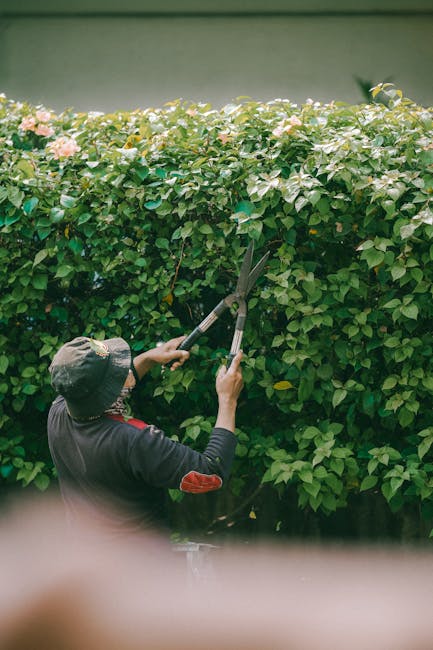
Hiring a gardener sounds straightforward until you realise how easy it is to get it wrong. A quick search, a polite phone call, maybe a tidy quote on the back of an email, and suddenly you're trusting someone with your lawn, hedges, borders, trees, drainage, and sometimes your peace of mind too. The most common mistakes homeowners make when hiring Wanstead gardeners usually come down to rushing, assuming too much, or not asking the right questions. And to be fair, that happens a lot.
This guide breaks down what those mistakes look like in real life, why they matter, and how to avoid them without turning the whole process into a chore. If you want a better result, fewer surprises, and a garden that actually suits the way you live, you're in the right place.
Why Common mistakes homeowners make when hiring Wanstead gardeners Matters
Gardens in Wanstead are often expected to do a lot. They need to look neat from the street, feel usable at the weekend, handle seasonal growth, and stay manageable through wet spells, dry spells, and those awkward in-between weeks when everything grows all at once. A poor hiring decision can leave you with missed visits, patchy work, overcut hedges, damaged plants, or a garden that never quite settles into shape.
This matters because gardening work is not just about trimming things down. Good gardeners read the space. They understand how much light a border gets, how hard to cut back a hedge without stressing it, when a lawn needs feeding rather than mowing, and when clearance is a practical first step before any longer-term plan. If you choose badly, you may end up paying twice: once for the work, and again to fix it.
There is also the trust side of it. Homeowners often let gardening teams into side access, rear gardens, sheds, or driveways. So yes, the quality of the gardening matters, but so does reliability, insurance, communication, and how carefully the team treats the property. It all stacks up.
If you want a fuller sense of what a proper service range can include, it helps to review a clear services overview before you commit. That way you can match your needs to the right kind of support instead of guessing.
How Common mistakes homeowners make when hiring Wanstead gardeners Works
Most mistakes happen before the work even begins. A homeowner notices an overgrown hedge, a tired lawn, or a messy border and contacts the first available gardener. Sometimes that works out fine. Sometimes it doesn't. The usual process should be more deliberate than that.
In practice, hiring a gardener usually follows a simple pattern: identify what needs doing, compare what different gardeners actually offer, ask how they price the work, confirm whether they are insured, and agree on timing and scope before anything starts. Sounds obvious, I know. But many problems come from skipping one of those steps.
For example, a homeowner might assume "garden maintenance" includes tree work, removal of waste, or reshaping a large hedge. It may not. Or they may ask for a quote without explaining access issues, overgrowth, or hidden challenges like broken fencing, slippery ground, or waste that needs loading and disposal. The result? A price that changes later, or a job that feels half-finished because the brief was never clear.
Good gardening work is usually a mix of planning, hands-on skill, and consistency. If you understand that, you make better choices. And your garden feels calmer for it, somehow.
Key Benefits and Practical Advantages
Choosing the right gardener does more than tidy things up. It protects the long-term health of the garden, saves time, and reduces the sort of awkward problems that creep in when work is rushed or poorly scoped.
- Better plant care: The right pruning and timing help shrubs, hedges, and lawns stay healthier.
- Cleaner presentation: A well-kept garden makes the whole property feel more looked after.
- Less repeat hassle: Regular, appropriate maintenance is easier than emergency fixes every few months.
- Safer outdoor spaces: Overgrowth, low branches, and clutter can create trip hazards or block access.
- More predictable costs: Clear scope and proper quoting reduce surprises later.
There's a practical comfort in it too. You know who is coming, what they're doing, and what the result should look like. No mystery. No awkward chase-up emails three weeks later. Just a garden that behaves itself. Well, mostly.
Homeowners who want broader upkeep rather than a one-off tidy-up often benefit from an ongoing garden maintenance arrangement. That can be a better fit than booking ad hoc visits every time the grass gets a bit wild.
Who This Is For and When It Makes Sense
This guidance is for homeowners who want to hire local help without taking a gamble. It is especially useful if:
- your garden has started to get away from you after a busy season
- you are comparing different Wanstead gardeners and are not sure how to judge them
- you need regular mowing, hedge trimming, or border care
- you have inherited a neglected garden and need a proper reset
- you want landscaping input and not just basic tidying
- you are worried about insurance, safety, or waste removal
It also makes sense if you have had a bad experience before. Many homeowners do. Maybe the gardener turned up late, cut too much off a hedge, or left piles of clippings behind. Sometimes the work looked fine from a distance but was not very thoughtful up close. That is exactly the sort of thing this article helps you avoid.
If you are planning more than routine upkeep, it may be worth understanding the difference between general care and structural improvements. Pages like landscaping and landscape gardening are useful starting points when the job is bigger than a simple mow and tidy.
Step-by-Step Guidance
If you want a sensible way to hire a gardener, follow this process. It is not fancy, but it works.
- Write down the job properly. List what needs doing, what areas are involved, and what outcome you want. Be specific: "trim the front hedge," "mow the back lawn," "clear the dead growth," "remove waste," and so on.
- Separate maintenance from one-off clearance. A garden that needs clearing after months of neglect is different from a garden that needs regular care. If there is a lot of build-up, consider garden clearance first.
- Ask what is included. Does the price cover waste removal, edging, clippings, and tool use? Does it include hedge height, access, or disposal? Don't assume.
- Check experience with your type of garden. A small courtyard, a mature front garden, and a tree-heavy rear plot all need different approaches.
- Confirm timing and frequency. Weekly, fortnightly, monthly, seasonal? A clear plan is better than hopeful thinking.
- Ask about insurance and safety. Especially if ladders, power tools, or tree work are involved.
- Put the agreement in writing. Even a simple email summary is better than memory, which, let's face it, can be surprisingly lazy by Friday afternoon.
One useful habit: take a few photos before the work begins. Not because you expect trouble, but because it helps everyone agree on the before-and-after outcome. A hedge looked "obviously" one size to the homeowner and a very different one to the gardener? Happens all the time.
If your garden includes larger trees or risky branches, do not treat that as a normal tidy-up job. It may need specialist support such as tree lopping and removal, and that should be discussed clearly before anyone starts climbing around with tools.
Expert Tips for Better Results
The best hiring decisions are usually boring in the best possible way. Clear, calm, and well informed. Here are a few tips that make a real difference.
Be honest about the condition of the garden
If the lawn is patchy, the hedge is overgrown, or the borders are full of old growth, say so. Understating the job is a classic mistake. It can make the initial quote look appealing, but then the work becomes awkward and expensive to adjust.
Ask how they approach cutting and shaping
Good gardeners should be able to explain whether they are cutting for appearance, health, or control. A hedge that has been aggressively hacked back can look neat for a week and then behave badly for months. Soft shaping is often wiser. Not always, but often.
Check how waste is handled
Green waste piles up quickly. Ask whether clippings are removed, composted, or left for you. If sustainability matters to you, it is worth reading about the company's recycling and sustainability approach before booking.
Use the first visit as a test
You do not need to solve everything in one call. Start with a small job or the first maintenance visit. Watch how the team communicates, turns up, works around your space, and leaves the site. That first impression is usually a strong clue.
Don't buy the cheapest option by reflex
Cheap is not always bad. But the cheapest quote with the vaguest wording is usually the one that causes the most irritation later. A fair quote that explains scope is worth more than a low number with hidden gaps.
Common Mistakes to Avoid
Here is the heart of it. These are the errors homeowners make most often when hiring Wanstead gardeners, and they are easier to avoid than they look.
1. Choosing purely on price
A low quote can be tempting, especially if the garden already feels like one more thing you have to sort out. But price alone tells you very little. A cheaper service may exclude waste removal, hedge shaping, or follow-up care. Sometimes the difference is not value at all, just missing detail.
2. Not defining the job clearly
"Tidy the garden" sounds fine in conversation, but it is far too vague for a written quote. What exactly should be trimmed? Which areas should be cleared? What height is acceptable for the hedge? Clear instructions prevent awkward assumptions.
3. Ignoring insurance and safety
People often skip this because it feels dull. Yet if someone is using ladders, power tools, or working near structures, insurance and safe working practices matter a great deal. You do not want uncertainty hanging over a job on your property.
4. Forgetting access and waste logistics
Is there a side gate? Narrow passage? Heavy bags of clippings? Can a vehicle park nearby? Little access issues can make a routine job much harder than expected. Mention them early.
5. Assuming all gardeners offer the same service
Some teams focus on regular mowing and trimming. Others are better suited to one-off clearances or larger transformations. If your needs are more structured, comparing the company's service overview is much smarter than assuming every gardener works the same way.
6. Not checking how complaints are handled
Sometimes things go wrong. A shrub gets cut too hard. A visit is missed. A gate is left open. It helps to know whether there is a simple complaints route and whether the company has a clear process for sorting issues out. That alone tells you a lot about professionalism.
7. Skipping the discussion about ongoing care
A one-off tidy can be useful, but many gardens need continuity. If you only book emergency visits, the garden can swing between overgrown and overcut. It is rarely ideal. Regular maintenance gives a more stable, natural result.
Small aside, but a real one: gardens have a way of exposing vague thinking. They look forgiving at first, then suddenly they do not. Very rude, really.
Tools, Resources and Recommendations
You do not need specialist equipment to hire well, but a few simple tools and resources help you make better decisions.
- Notebook or phone notes: Record what you want done, including dimensions, problem areas, and access details.
- Photos: Take before pictures in daylight so everyone can see the actual condition of the space.
- Simple comparison table: List each gardener's quote, scope, timing, insurance, and waste handling side by side.
- Garden calendar: Note when hedges need trimming, lawns need regular mowing, and borders need seasonal attention.
- Company policies: Relevant pages like insurance and safety, health and safety policy, and payment and security can tell you a lot about how a business operates.
For very overgrown gardens, especially after a long gap between visits, the right first step may be clearance rather than maintenance. That distinction saves time and avoids overpromising. It is one of those things that sounds obvious after the fact, but not always before.
If you want to understand the services that typically cover neat, recurring upkeep, lawn mowing and hedge trimming are useful examples of the kind of work that can be scheduled and kept under control with the right routine.
Law, Compliance, Standards, or Best Practice
For homeowners, the main compliance issue is not usually paperwork in the abstract. It is making sure the people working on your property operate safely, responsibly, and in line with normal UK expectations for trades and service work.
That means a few sensible things:
- asking whether the business carries suitable insurance
- checking that they use safe methods for ladders, tools, and any tree-related work
- making sure waste is handled properly
- being clear about who is responsible for what before the job begins
- keeping written confirmation of the agreed scope and price
If the work involves trees, height, structural risk, or heavy cutting, it becomes even more important not to wing it. In those cases, specialist services matter, and you should expect a higher level of caution. That is just common sense, really.
Where business practices are concerned, you may also want to check the company's published policies. Pages such as terms and conditions, complaints procedure, and about us can help you judge transparency and professionalism before you book.
Options, Methods, or Comparison Table
One of the biggest decisions is whether you need a one-off tidy, regular maintenance, or a broader landscaping approach. Here is a simple comparison to help you think it through.
| Approach | Best for | Typical strengths | Common drawback if chosen badly |
|---|---|---|---|
| One-off tidy-up | Small refreshes, post-winter recovery, event prep | Quick visual improvement, flexible timing | Garden can slip back fast without follow-up |
| Regular maintenance | Lawn care, hedge trimming, border management | Consistency, healthier garden structure, easier budgeting | Can feel repetitive if the brief is too narrow |
| Garden clearance | Heavily overgrown or neglected spaces | Resets the space and makes future care easier | May be more intensive than expected if not scoped well |
| Landscaping or landscape gardening | Layout changes, structural improvements, redesign | Transforms how the garden works and feels | More planning needed; poor brief leads to disappointment |
The right choice depends on the state of the garden and what you want from it over the next six to twelve months. Not just next Tuesday.
Case Study or Real-World Example
Here is a typical scenario from the kind of job homeowners often describe.
A Wanstead homeowner has a back garden that looked manageable in spring but became untidy by late summer. The lawn has thinned in places, the hedge is leaning into the path, and the borders are full of cutbacks that never got removed. The homeowner asks for "a general tidy" and gets two quotes. One is lower, one is clearer.
The lower quote sounds attractive at first. But when the details are checked, it does not include waste removal, hedge shaping, or a return visit. The clearer quote explains what is included, what access is needed, and what counts as extra work. The homeowner chooses the clearer option, and the result is calmer from the start. No guessing. No chasing. No surprise add-ons. Nothing dramatic, just a better process.
That small difference matters. The garden ends up looking better, but more importantly the homeowner feels in control. And that, honestly, is half the battle.
In cases like this, a proper maintenance plan can be a better fit than repeated one-off fixes. If the lawn is part of the issue, booking a structured lawn mowing service alongside hedge work often creates a more balanced result.
Practical Checklist
Use this checklist before booking any gardener in Wanstead:
- Have I clearly listed the work I want done?
- Do I know whether this is maintenance, clearance, or landscaping?
- Have I asked what the quote includes?
- Do I understand whether waste removal is included?
- Have I mentioned access, parking, gates, and any awkward areas?
- Have I checked insurance and safe working practices?
- Do I know how often the garden needs attention after the first visit?
- Have I compared at least two options fairly?
- Is the agreement written down somewhere sensible?
- Have I checked how complaints or follow-up issues are handled?
If you can tick most of those off, you are already ahead of many homeowners. That sounds simple because it is simple.
Get a free quote today and see how much you can save.
Conclusion
The common mistakes homeowners make when hiring Wanstead gardeners are rarely dramatic. They are usually small decisions made too quickly: unclear briefs, price-only comparisons, weak follow-up, and assumptions about what is included. But those small slips can lead to messy results, extra costs, and a garden that never quite feels right.
The good news? These mistakes are very avoidable. Be clear about the job, ask practical questions, check safety and insurance, and choose the kind of service that matches the condition of your garden rather than the one that simply sounds easiest in the moment. If you do that, the whole process becomes much smoother.
And a well-kept garden has a quiet effect on a home. It softens the edges a bit. Makes the place feel looked after. That's worth doing properly.
Frequently Asked Questions
What is the biggest mistake people make when hiring a gardener?
The biggest mistake is usually choosing on price alone without checking what the quote actually covers. A low price can hide missing services, limited visit time, or no waste removal.
Should I get a one-off tidy or ongoing garden maintenance?
It depends on the condition of the garden. If it is simply due a refresh, a one-off tidy may be enough. If the lawn, hedges, and borders need regular attention, ongoing maintenance is usually better value and gives steadier results.
How do I know if a Wanstead gardener is the right fit?
Look for clear communication, a sensible quote, proper insurance, and an understanding of the kind of work you need. If they can explain the plan in plain English, that is often a good sign.
Is garden clearance different from general maintenance?
Yes. Garden clearance is usually for more neglected or overgrown spaces that need a reset. General maintenance is for keeping an already manageable garden in good shape.
Should I ask about insurance before booking?
Absolutely. It is a basic but important question, especially if the work involves ladders, power tools, heavy lifting, or tree work. A professional business should expect to answer it.
What should a garden quote include?
A good quote should explain the scope of work, what is included, what counts as extra, whether waste is removed, and any assumptions about access or timing. The more specific, the better.
How often should a garden be maintained?
That varies by season, planting, and how much use the garden gets. Some gardens need weekly attention during growth periods, while others are fine with a more occasional schedule.
What if the gardener cuts too much off a hedge or shrub?
Raise it quickly and calmly. Good businesses should be open to discussion and able to explain what happened. This is why having the brief in writing helps so much.
Can I ask for photos before and after the work?
Yes, and it is often helpful. Photos make it easier to agree on the expected outcome and reduce confusion later, especially for larger jobs.
What if I'm not sure whether I need landscaping or maintenance?
If the garden needs layout changes, new features, or a bigger rethink, landscaping may be the better fit. If it mainly needs regular care and tidying, maintenance is probably enough. When in doubt, explain the garden's current condition in detail and ask for guidance.
Do I need to prepare the garden before the visit?
Usually only a little. Clear obvious obstacles, unlock access if needed, and mention anything fragile or awkward. You do not need to make the garden perfect beforehand; that would defeat the point.
Where can I learn more about the company's policies and services?
Useful places to start are the services overview, pricing and quotes, and contact us pages, which can help you understand how the service is structured and how to move forward.