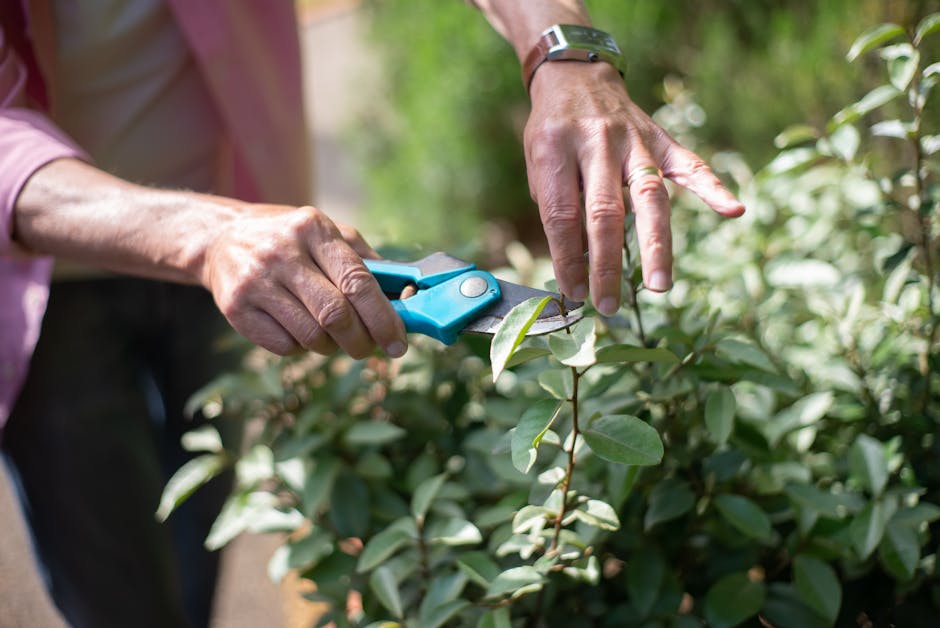
Wanstead High Street E11 gardeners planting and maintenance guide
If you garden around Wanstead High Street, you already know it is not a blank canvas. Front plots can be compact, back gardens can be shaded by mature trees, and the weather can swing from damp and mild to oddly dry in no time. That is why a Wanstead High Street E11 gardeners planting and maintenance guide needs to be practical, not poetic for the sake of it. You want plants that settle in, beds that stay tidy, and a routine that does not swallow your weekends. This guide walks through planting, care, seasonal maintenance, and the small decisions that make a big difference in real gardens.
Whether you are refreshing a narrow town garden, managing a family space, or planning a fuller redesign, the basics are the same: choose plants that suit the light, water correctly, prune at the right time, and keep on top of the unglamorous jobs. Simple enough in theory. In practice? Well, let's face it, gardens have a habit of doing their own thing.
Why Wanstead High Street E11 gardeners planting and maintenance guide Matters
Planting is the easy-looking part of gardening. Maintenance is where a garden either quietly improves or slowly gets away from you. In Wanstead High Street E11, that gap matters even more because many gardens are exposed to everyday urban pressures: foot traffic, compacted soil, limited space, air movement from roads, and the kind of partial shade that catches people out. A plant can look healthy in the shop and still sulk once it is faced with a narrow bed and less sun than expected.
This is also a very practical local issue. Many homes and small businesses want gardens that look well kept without constant intervention. A good plan helps you avoid waste, reduce replacement planting, and keep paths, borders, and lawns in shape through the year. If you are trying to improve kerb appeal or simply want a space that feels calm rather than chaotic, proper planting and maintenance is what gets you there.
There is another reason it matters: the right routine protects your investment. Healthy soil, appropriate plant spacing, correct pruning, and regular weed control all help prevent the expensive kind of problem later on. A garden bed that looks "fine for now" can become a root-bound, patchy, soggy mess in one wet winter. It happens more often than people admit.
If you are already comparing broader support, it can help to look at a structured garden maintenance service alongside one-off tasks such as garden clearance for overgrown areas or seasonal reset work. That combination is often the difference between a one-off tidy and a garden that stays genuinely manageable.
How Wanstead High Street E11 gardeners planting and maintenance guide Works
At its simplest, the process has two linked parts: establish the planting correctly, then keep it healthy. The first part is about matching the plant to the site. The second is about responding to the site as it changes through the seasons. That sounds obvious, but a surprising number of garden problems come from separating those two jobs.
Good planting starts with soil assessment, light levels, drainage, and space. A shady north-facing border needs a different plan from a sunny front patch near the road. Then there is the practical matter of form: do you want year-round structure, seasonal colour, low maintenance, pollinator-friendly planting, or a mix? In real life, most people want all four, plus something that does not shed leaves all over the path every five minutes. Fair enough.
Maintenance then keeps everything in balance. That usually means watering well but not wastefully, checking for pests or disease, feeding where needed, deadheading, pruning, mowing, edging, mulching, and removing problem growth before it becomes a bigger job. In many Wanstead gardens, hedge shaping and lawn care are the recurring tasks that make the biggest visual difference, which is why services like hedge trimming and lawn mowing are often part of a sensible routine rather than occasional extras.
For more structural changes, some gardens benefit from a broader layout rethink. That is where landscape gardening or general landscaping can make maintenance easier before you even begin planting. A better path line, improved bed edging, or a more workable border shape can save years of irritation.
Key Benefits and Practical Advantages
A strong planting and maintenance plan gives you more than a tidy garden. It gives you control. You know what is in the ground, what needs attention next, and what can be left alone. That clarity saves time, money, and the occasional Sunday morning grumble.
- Better plant survival: plants chosen for the right light and soil conditions settle faster and need less replacement.
- Cleaner, calmer appearance: routine trimming, edging, and pruning stop the garden looking forgotten between seasons.
- Lower long-term cost: small fixes are usually cheaper than major recovery work after neglect.
- Improved use of space: compact gardens feel larger when plants are sized properly and kept under control.
- Healthier lawns and borders: regular care prevents weeds, bare patches, and tangled growth from taking over.
- More resilience in bad weather: mulch, good drainage, and correct pruning help plants cope with wet and dry spells.
There is also a softer benefit that people notice once a garden settles: the space becomes easier to live with. You open the window and hear less rustle from overgrown shrubs. You can see the shape of the garden again. It feels looked after, not just decorated.
For some properties, that visual order also supports how the rest of the home or business is experienced. A neat frontage, refreshed beds, and a well-kept lawn can quietly lift the whole setting. If you are balancing that with hard surfaces, timber, or seating areas, it may be worth looking at decking services as part of a broader garden plan, especially where transitions between planting and usable space need tightening up.
Who This Is For and When It Makes Sense
This kind of guide is useful for homeowners, landlords, small offices, and anyone managing a front or rear garden in Wanstead High Street E11. It is especially helpful if you have recently moved in and inherited a mixed bag of shrubs, if you have a garden that looks decent but is hard work, or if you are starting again after a period of neglect.
It also makes sense if you are trying to reduce weekly upkeep. Many people want the garden to look lively without becoming a second job. That is a fair ask. The trick is choosing low-fuss planting from the outset, rather than planting whatever looked nice on a spring afternoon and hoping for the best.
Here are some common situations where a structured planting and maintenance approach pays off:
- You want a front garden that looks neat all year with minimal intervention.
- You have a shaded or awkwardly shaped border that keeps underperforming.
- Your lawn is patchy and you are not sure whether to repair it or redesign it.
- Hedges, shrubs, or small trees are getting too large for the space.
- You need to improve a garden before renting, selling, or reopening a commercial frontage.
And yes, if the problem is bigger than a tidy-up, that is normal. Some gardens need more than a bit of optimism and a new trowel.
Step-by-Step Guidance
Below is a practical approach you can use whether you are doing the work yourself or briefing a gardener. It is simple on purpose.
- Assess the site honestly. Check sun, shade, drainage, access, and soil texture. Don't guess. Spend a morning watching where the light falls and where water sits after rain.
- Decide what the garden must do. Is it for looks, privacy, food growing, family use, wildlife, or low maintenance? The answer changes everything.
- Choose plants that match the conditions. Use plants suited to the amount of light and the level of care you can realistically give. A plant you can't keep up with is a future headache.
- Prepare the ground properly. Clear weeds, loosen compacted soil, improve structure with compost where appropriate, and make sure drainage is workable.
- Plant with spacing in mind. Young plants look tiny now, but they will grow. Leave room for spread so you do not end up with a crowded tangle in a year or two.
- Water in thoroughly. A shallow splash is not enough. Deep watering encourages roots to go down, which usually means stronger plants.
- Mulch after planting. Mulch helps hold moisture, suppress weeds, and keep soil temperature more stable. Keep it away from stems and trunks.
- Set a maintenance rhythm. Weekly, monthly, and seasonal jobs should be planned rather than left to chance. A little order goes a long way.
For many gardens, the rhythm looks something like this: weekly lawn and visibility checks, monthly border tidy-ups, and seasonal pruning or reshaping. If you leave it all until "when there's time", the garden tends to answer back.
Expert Tips for Better Results
There are a few habits that consistently improve outcomes in Wanstead gardens, especially where space is tight and conditions are mixed.
- Work with the garden's microclimates. A wall can create heat, a fence can create shade, and a paved area can dry quickly. Treat those spots differently.
- Prefer layered planting over random filling. A mix of structure, mid-height planting, and ground cover usually looks better and is easier to maintain than scattered single specimens.
- Keep a sharp eye on edges. Crisp edges between lawn, bed, and path make even a modest garden look more cared for.
- Do less, but do it properly. Over-pruning, over-watering, and over-feeding are common mistakes. Plants are not a buffet.
- Plan for mature size, not just initial impact. That "small shrub" may become a rather ambitious shrub before long.
- Inspect after windy or wet spells. Loose ties, leaning stems, and waterlogged patches are easier to fix early.
In our experience, one of the most effective habits is simply to walk the garden slowly once a week with a cup of tea and a sharp eye. You notice the yellowing leaf, the weed gap, the hedge line that is drifting. Small things. But those small things are exactly where garden quality lives.
If the work involves a wider refresh, it can be sensible to combine planting with services overview planning so the garden design, clearance, and maintenance schedule all line up instead of fighting each other.
Common Mistakes to Avoid
Most garden problems are not dramatic. They are the result of lots of small choices that seemed reasonable at the time. Here are the big ones to watch for.
- Planting for appearance only: a plant may look lovely in a pot but still be wrong for the garden's light or soil.
- Ignoring mature spread: crowded plants lead to poor air movement, more disease risk, and constant trimming.
- Overwatering: this is one of the easiest ways to weaken roots, especially in heavier soils.
- Neglecting seasonal pruning: wait too long and shrubs become awkward, woody, or misshapen.
- Leaving debris in beds: fallen leaves and dead material can hide pests and encourage rot if left for too long.
- Forgetting access: if you can't reach the back border comfortably, it will probably be the first place to go wild.
One slightly unglamorous truth: many "mystery plant failures" are actually maintenance failures. The plant was fine. The routine wasn't. That's the bit people don't always want to hear, but it saves a lot of money when accepted early.
Tools, Resources and Recommendations
You do not need a shed full of specialist gear to keep a Wanstead garden in good order. A few solid tools, used consistently, are better than a pile of gadgets that only see daylight in spring.
| Task | Useful tools | What to look for |
|---|---|---|
| Planting | Trowel, spade, fork, watering can | Comfortable grip, decent blade strength, easy reach |
| Border care | Hand fork, secateurs, kneeling pad | Clean cutting action, good leverage, manageable weight |
| Lawn care | Lawn mower, edging tool, rake | Sharp blades, simple height settings, easy collection |
| Hedge and shrub work | Secateurs, loppers, hedge trimmer | Precision, safety features, enough reach without strain |
| General upkeep | Gloves, buckets, garden bags, broom | Durability, comfort, and good capacity for debris |
For larger gardens or more involved work, it is often more efficient to use professional support than to piece everything together yourself. That is especially true for regular lawn work, heavier hedge shaping, or situations where plant waste is building up. If the garden has become difficult to access or is simply overloaded, garden clearance can be a sensible starting point before any new planting goes in.
And if trees are affecting light, root space, or safety, it is better to deal with them thoughtfully than to keep working around the problem. In those cases, tree lopping and removal may need to be part of the wider plan, subject to the right checks and professional judgement.
Law, Compliance, Standards, or Best Practice
For most domestic planting and maintenance work, the key point is not complicated law. It is careful practice. Still, there are a few things worth keeping in mind in the UK context.
If work involves trees, hedges near boundaries, or access near public areas, extra caution is sensible. Some trees may be protected, some properties may have restrictions, and boundary work can quickly become a neighbour issue if it is not handled properly. Rather than guessing, it is better to check before cutting, removing, or altering significant growth. That is just good sense, really.
Safety also matters. Proper gloves, eye protection where needed, safe lifting, and careful use of cutting equipment are standard expectations for responsible garden work. If you are hiring help, it is sensible to ask about how the team approaches health and safety and insurance. You should not have to chase those basics after the fact.
Professional best practice also includes disposing of green waste responsibly, protecting surfaces during work, and avoiding damage to neighbouring property or shared access routes. If sustainability matters to you, ask how clippings, branches, and cleared material are handled. A good approach to recycling and sustainability can reduce waste and keep the job cleaner overall.
For service expectations, it helps to read the practical details around health and safety policy, insurance and safety, and terms and conditions before booking any work. That is not being fussy. That is being sensible.
Options, Methods, or Comparison Table
Different gardens need different approaches. The right one depends on how much time you have, how tidy you need things to look, and how much change the garden can realistically absorb.
| Approach | Best for | Strengths | Trade-offs |
|---|---|---|---|
| DIY planting and upkeep | Small gardens, hands-on owners | Low cost, flexible, personal control | Time-consuming, easier to make mistakes, may become inconsistent |
| Regular maintenance visits | Busy households, rental properties, ongoing care | Keeps things tidy, reduces backlog, easier to budget for | Less immediate flexibility than DIY |
| One-off reset then maintain | Overgrown gardens, neglected plots | Fast improvement, creates a clean starting point | Still needs follow-up, otherwise problems return |
| Landscape-led redesign | Poor layouts, awkward spaces, ongoing access issues | Can solve structural problems and reduce future effort | More planning needed, usually a bigger commitment |
If you are weighing these options, think about the next twelve months, not just next weekend. A garden that looks polished for one day but becomes a burden after that is not really a win.
Case Study or Real-World Example
Picture a typical Wanstead High Street front garden: a narrow bed by the path, a small lawn, one hedge that has been "trimmed" a bit too enthusiastically in the past, and a couple of shrubs that have outgrown their welcome. Not unusual at all.
In a case like that, the best outcome usually comes from a staged approach rather than trying to fix everything in one go. First, remove dead material and cut back obvious overgrowth. Then assess what can stay and what is just taking up space. After that, improve the soil where the planting is weak, introduce a few structured plants with year-round shape, and set a simple maintenance rhythm.
In one realistic scenario, the front border might be rebuilt with a mix of evergreen structure, lower flowering plants, and one or two seasonal highlights. The lawn would be brought back to a steady mowing pattern, and the hedge reshaped so it defines the boundary without swallowing the light. The result is not just prettier. It is easier to live with. That matters more than people think.
Sometimes the biggest change is surprisingly modest. A cleaner edge, healthier planting, and fewer overcrowded corners can make a garden feel twice its size. Not magic. Just good basics done consistently.
Practical Checklist
Use this checklist before you plant, prune, or commit to a bigger maintenance plan.
- Check sunlight across the day, not just at one moment.
- Test drainage after heavy rain if the site is uncertain.
- Choose plants that suit the available space at maturity.
- Clear weeds and debris before any new planting goes in.
- Improve soil structure where needed rather than planting into poor ground.
- Set a watering plan for the first few weeks after planting.
- Mulch beds to help with moisture retention and weed suppression.
- Schedule lawn, hedge, and border maintenance so jobs do not pile up.
- Inspect for pests, disease, and damage after windy or wet weather.
- Plan for waste removal or recycling before the work starts.
Expert summary: the best gardens in Wanstead High Street E11 are usually not the most elaborate ones. They are the ones with the right plants, the right spacing, and a maintenance rhythm that quietly keeps everything under control.
Conclusion
A good Wanstead High Street E11 gardeners planting and maintenance guide is really about making the garden work for your life, not the other way round. Start with the site, choose plants sensibly, and keep up with the small jobs before they become large ones. That approach saves effort, reduces waste, and leaves you with a space that feels settled rather than permanently under repair.
Whether you need a simple seasonal tidy, a planting refresh, or a more complete rethink, the same principle applies: be practical, be consistent, and be honest about how much care the garden will actually get. A little steady attention goes a very long way.
If you want help turning a tired plot into something manageable and attractive, you can explore the wider garden maintenance options, review the team's about us information, or start with a clear look at pricing and quotes. Sometimes the simplest next step is the right one.
Get a free quote today and see how much you can save.
And if all you do this week is fix one border, trim one hedge, or finally sort the lawn edge, that's still progress. Gardens respond to that kind of steady care. Quietly, but they do.
Frequently Asked Questions
What does a Wanstead High Street E11 gardeners planting and maintenance guide cover?
It covers how to choose plants, prepare soil, water correctly, prune at the right time, and keep up with ongoing garden care so the space stays healthy and manageable.
How often should a garden in Wanstead be maintained?
Most gardens benefit from weekly checks, monthly tidying, and seasonal work such as pruning, planting updates, and lawn care. The exact rhythm depends on plant type and garden size.
What are the best low-maintenance plants for small E11 gardens?
Low-maintenance usually means plants that suit the light, drainage, and available space. Evergreen structure, compact shrubs, and resilient border plants often work well, but the site matters more than the label.
When is the best time to plant in a London garden?
Planting is often most successful when conditions are mild and soil moisture is balanced, rather than during extreme heat or hard frost. Timing depends on the plant, though, so there is no one perfect month for everything.
Should I start with planting or garden clearance?
If the space is overgrown or cluttered, start with clearance first. It is much easier to judge what the garden needs once the old growth and debris are removed.
How do I know if my soil needs improving?
If water sits on the surface, plants struggle to establish, or the soil feels compacted and lifeless, it likely needs improvement. Adding organic matter is often a practical first step.
Is hedge trimming part of planting and maintenance work?
Yes, often it is. Hedges frame the garden, affect light, and shape the overall look, so regular trimming is a key part of keeping the space balanced.
Can landscape gardening help reduce maintenance later?
Absolutely. Better layout, easier access, smarter planting zones, and clearer bed shapes can reduce the time and effort needed to keep a garden looking good.
How much should I budget for garden maintenance?
Costs vary depending on the size of the garden, the level of overgrowth, and how often work is needed. For a realistic figure, it is best to request a tailored quote rather than rely on a rough guess.
What should I ask before hiring a gardener in Wanstead High Street E11?
Ask what is included, how often maintenance is recommended, how waste is handled, whether the team is insured, and how they approach health and safety. Those basics matter more than a polished sales pitch.
Do I need tree work if my garden is too shady?
Not always, but sometimes tree pruning or removal is part of the solution. If light levels are too low for healthy planting, it may be worth reviewing nearby tree cover carefully before deciding.
Where can I find more service information before booking?
You can review the services overview, check practical details such as payment and security, and read the company's recycling and sustainability approach if that matters to you.